高级进程与系统 监控工具

专业级工具,用于监控 Windows 上的进程、服务、网络连接和系统性能。

受到全球开发者、系统管理员和高级用户的信赖。开源、透明、安全。

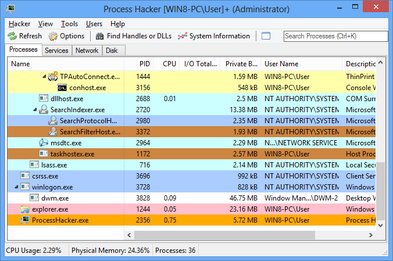
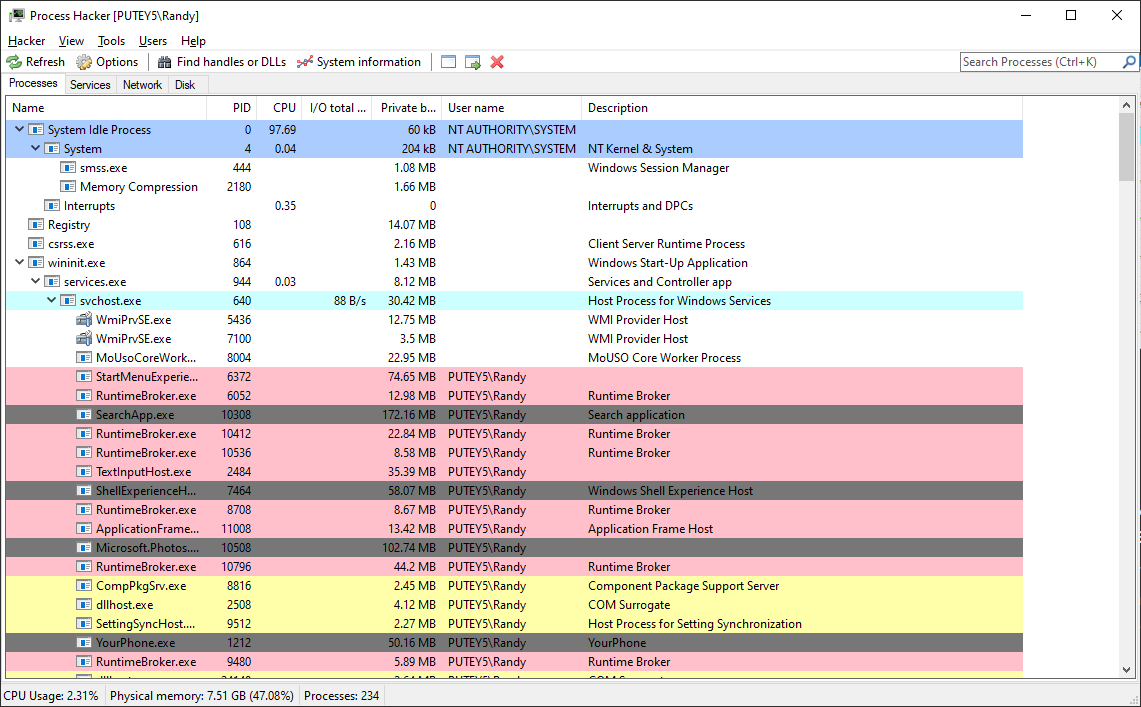
Process Hacker 界面 - 显示进程详情、CPU 使用率和网络连接的高级系统监控工具

什么是 Process Hacker?

Process Hacker 是一款功能强大的开源进程和系统监控工具,专为 Windows 设计。它提供高级功能,用于检查进程、监控系统资源、管理服务和调试系统问题。

与基础任务管理器不同,Process Hacker 提供对系统操作的深入洞察,是任何需要了解 Windows 系统底层运行情况的用户的必备工具。

适合谁使用?

  • 开发者 - 调试应用程序、监控资源使用情况并分析进程行为
  • 系统管理员 - 管理服务、监控网络连接并排查系统问题
  • 高级用户 - 深入了解系统性能和进程活动
  • 安全专业人员 - 检查进程、检测可疑活动并分析系统行为

重要提示: Process Hacker 是一款合法的开源系统监控工具。它不是恶意软件、间谍软件或任何形式的恶意程序。它专为合法的系统管理、调试和监控目的而设计。

核心功能

超越标准任务管理器的强大功能

进程检查

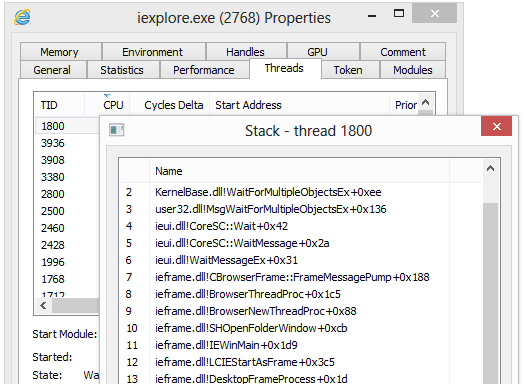
深入了解进程详情,包括线程、句柄、内存映射和已加载模块。查看实时进程信息,具备全面的调试功能。
进程检查 - 进程线程、句柄和内存映射的详细视图

系统监控

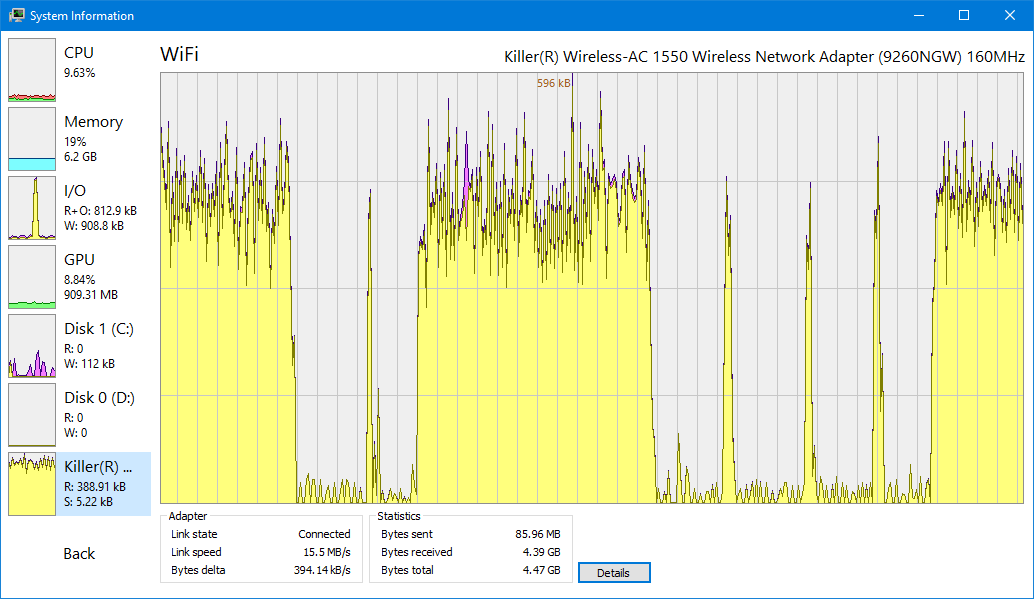
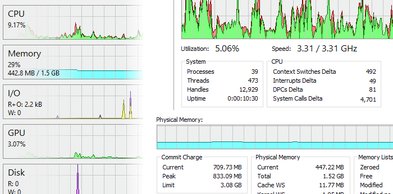
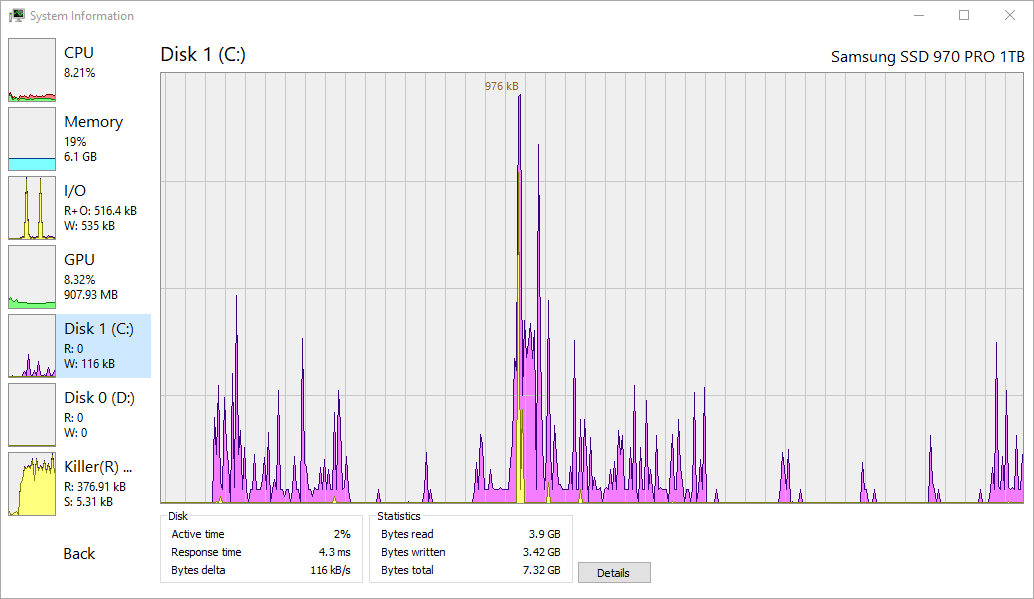
实时监控 CPU、内存、磁盘 I/O 和网络活动。通过详细的图表和统计数据跟踪系统资源,进行全面的性能分析。
系统监控 - CPU、内存、磁盘 I/O 和网络活动的实时图表

高级权限

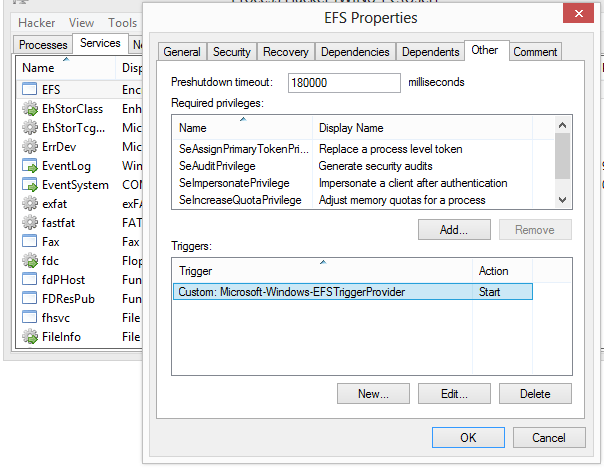
管理进程权限、令牌信息和安全上下文。查看和修改访问权限,提供详细的安全描述符信息。
高级权限 - 进程令牌信息和安全上下文管理

性能洞察

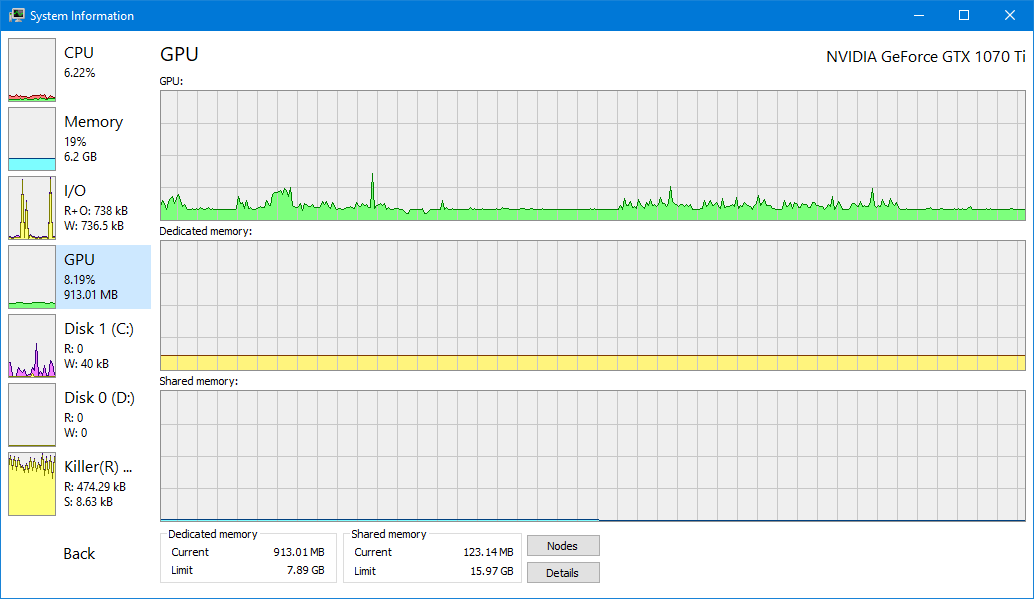
详细的性能指标,包括每个核心的 CPU 使用率、内存消耗模式、磁盘 I/O 统计和网络吞吐量分析。
性能洞察 - 每个核心的详细 CPU 使用率和内存消耗模式

插件支持

支持插件的可扩展架构。通过自定义插件扩展功能,用于专门的监控、分析和系统管理任务。
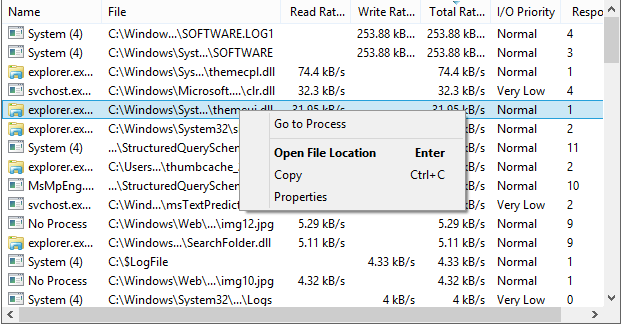
插件支持 - 具有自定义插件功能的可扩展架构

网络监控

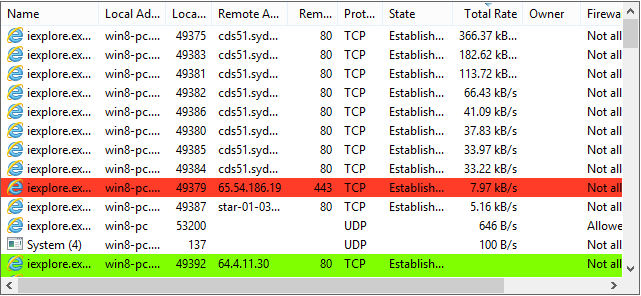
监控网络连接,查看活动的 TCP/UDP 连接,并按进程分析网络活动。识别网络相关问题和可疑连接。
网络监控 - 每个进程的活动 TCP/UDP 连接分析

实际使用场景

了解 Process Hacker 如何帮助专业人士解决实际问题

面向开发者

  • 通过跟踪进程内存使用情况来调试内存泄漏
  • 识别应用程序中资源密集的操作
  • 监控线程活动并检测死锁或性能瓶颈
  • 分析 DLL 依赖关系和已加载模块
  • 跟踪应用程序建立的网络连接
开发者使用场景 - 调试应用程序和监控资源使用情况

For System Administrators

  • Manage Windows services with detailed service information
  • Monitor system-wide resource usage and identify bottlenecks
  • Track network connections across all processes
  • Investigate system slowdowns and high CPU/memory usage
  • Audit process permissions and security contexts
System Administrator Use Case - Managing Windows services and monitoring system resources

For Power Users

  • Gain detailed insights into what processes are running on your system
  • Identify which applications are consuming the most resources
  • Monitor startup programs and their impact on boot time
  • View detailed hardware and system information
  • Customize monitoring views to focus on what matters to you
Power User Use Case - Detailed system insights and process activity monitoring

Troubleshooting Scenarios

  • Identify processes causing system freezes or slowdowns
  • Detect memory leaks and excessive resource consumption
  • Investigate unexpected network activity or connections
  • Analyze why applications fail to start or crash
  • Track down processes holding file locks or preventing shutdown
Troubleshooting Use Case - Identifying system issues and process problems

Performance & Comparison

See how Process Hacker compares to Windows Task Manager

Feature Process Hacker Windows Task Manager
Process Details Comprehensive Basic
Thread Information ✓ Full Details Limited
Handle Inspection ✓ Available ✗ Not Available
Memory Maps ✓ Available ✗ Not Available
Network Connections ✓ Per Process System-wide Only
Service Management ✓ Advanced Basic
Token & Security Info ✓ Available ✗ Not Available
Plugin Support ✓ Extensible ✗ Not Available
Performance Graphs ✓ Detailed Basic
Open Source ✓ Yes No

Troubleshooting & Guides

Common problems and step-by-step solutions

High CPU Usage - Identifying the Culprit

Problem:

Your system is running slow, and you suspect a process is consuming too much CPU.

Solution:

  1. Open Process Hacker and navigate to the Processes tab
  2. Click on the "CPU" column header to sort processes by CPU usage
  3. Identify the process with the highest CPU percentage
  4. Right-click the process and select "Properties" to view detailed information
  5. Check the "Threads" tab to see which specific threads are consuming CPU
  6. Review the process path and verify it's a legitimate application
  7. If suspicious, you can suspend the process temporarily or terminate it if safe

Memory Leak Detection

Problem:

System memory is gradually being consumed, and you suspect a memory leak.

Solution:

  1. Monitor the "Memory" column in Process Hacker over time
  2. Look for processes with steadily increasing memory usage
  3. Use the "View → System Information" to see overall memory trends
  4. Check the "Memory" tab in process properties for detailed memory breakdown
  5. Identify processes that show continuous growth without corresponding activity
  6. Document the memory usage pattern and report to the application developer if needed

Network Connection Issues

Problem:

You want to identify which processes are making network connections.

Solution:

  1. Open Process Hacker and go to "View → Network"
  2. View all active TCP and UDP connections
  3. Identify the process associated with each connection
  4. Check remote addresses and ports to identify suspicious connections
  5. Use the filter options to focus on specific protocols or addresses
  6. Right-click on connections to view detailed information or close them if necessary

Service Management and Troubleshooting

Problem:

A Windows service is not starting or behaving unexpectedly.

Solution:

  1. Navigate to "View → Services" in Process Hacker
  2. Locate the problematic service in the list
  3. Right-click the service to view its properties
  4. Check the service status, startup type, and dependencies
  5. View the associated process if the service is running
  6. Use Process Hacker to restart, stop, or start the service as needed
  7. Check service permissions and security context if access issues occur

File Lock Investigation

Problem:

A file cannot be deleted or modified because it's locked by a process.

Solution:

  1. In Process Hacker, go to the process that might be locking the file
  2. Right-click the process and select "Handles"
  3. In the Handles window, use the search/filter to find the file path
  4. Identify all processes that have handles to the file
  5. Review the handle type and access rights
  6. If safe, close the specific handle or terminate the process holding the lock
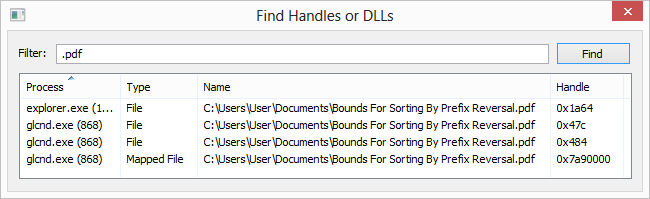
  7. Alternatively, use Process Hacker's "Find Handles or DLLs" feature to search system-wide

Download Process Hacker

Get the latest version of Process Hacker - completely free and open-source

Latest Version

Process Hacker is actively maintained and regularly updated with new features and security improvements.

Download from GitHub Releases

Source Transparency

Process Hacker is open-source software. All source code is available on GitHub for review, audit, and contribution. You can verify exactly what the software does.

Security & Safety

Process Hacker is a legitimate system monitoring tool. It does not contain malware, spyware, or any malicious components. Always download from the official GitHub repository.

Important: Only download Process Hacker from the official GitHub repository. Be cautious of third-party download sites that may distribute modified or malicious versions.

Frequently Asked Questions

Common questions about Process Hacker

Yes, Process Hacker is completely safe to use. It is a legitimate, open-source system monitoring tool. The source code is publicly available on GitHub, allowing anyone to review and verify its functionality. Process Hacker does not contain malware, spyware, or any malicious components. However, always download from the official GitHub repository to ensure you're getting the authentic version.

Process Hacker can run without administrator privileges for basic monitoring tasks. However, many advanced features require administrator rights, including:

  • Terminating protected system processes
  • Modifying service configurations
  • Viewing detailed security token information
  • Accessing certain process handles and memory information

For the best experience and full functionality, it's recommended to run Process Hacker with administrator privileges.

Process Hacker offers significantly more advanced features than Windows Task Manager:

  • Detailed Process Information: View threads, handles, memory maps, and loaded DLLs
  • Network Monitoring: See network connections per process with detailed connection information
  • Service Management: Advanced service management with detailed service properties
  • Security Information: View process tokens, security contexts, and permissions
  • Plugin Support: Extend functionality with custom plugins
  • Better Filtering: More powerful search and filter capabilities

While Task Manager is great for basic tasks, Process Hacker is designed for power users, developers, and system administrators who need deeper insights.

Yes, Process Hacker is completely free and open-source. It is released under the GNU General Public License (GPL), which means you can use, modify, and distribute it freely. There are no hidden costs, subscriptions, or premium versions.

Process Hacker is a legitimate system administration and debugging tool. Like any powerful tool, it could potentially be misused, but it is designed and intended for legitimate purposes such as:

  • System administration and monitoring
  • Application debugging and development
  • Performance analysis and optimization
  • Security auditing and analysis
  • Troubleshooting system issues

Process Hacker should only be used on systems you own or have explicit permission to monitor. Unauthorized use on systems you don't own or have permission to access is illegal and unethical.

Process Hacker is designed for modern Windows operating systems. It supports:

  • Windows 7 and later (32-bit and 64-bit)
  • Windows 8 and 8.1
  • Windows 10
  • Windows 11
  • Windows Server 2008 R2 and later

Some features may require specific Windows versions or service packs. Check the GitHub repository for the most up-to-date compatibility information.

Process Hacker is an open-source project, and contributions are welcome! You can contribute in several ways:

  • Code Contributions: Submit pull requests on GitHub with bug fixes or new features
  • Bug Reports: Report issues on the GitHub issue tracker
  • Documentation: Help improve documentation and guides
  • Plugins: Develop and share plugins that extend Process Hacker's functionality
  • Testing: Test new releases and provide feedback

Visit the official GitHub repository to learn more about contributing guidelines and the development process.

Trust & Ethics

Transparency, security, and responsible use

Legal Usage

Process Hacker is a legitimate system administration and debugging tool. It is designed for authorized system monitoring, troubleshooting, and development purposes.

Important: Only use Process Hacker on systems you own or have explicit written permission to monitor. Unauthorized access to or monitoring of computer systems without permission is illegal in most jurisdictions and may violate computer fraud and abuse laws.

Open-Source Transparency

Process Hacker is fully open-source software. The complete source code is available on GitHub, allowing anyone to:

  • Review the code for security and functionality
  • Verify that the software does what it claims to do
  • Audit for potential security vulnerabilities
  • Contribute improvements and bug fixes
  • Build custom versions for specific needs

This transparency ensures that Process Hacker can be trusted and verified by the community.

No Malware Clarification

Process Hacker is NOT malware, spyware, adware, or any form of malicious software. It does not:

  • Collect or transmit personal information
  • Display advertisements
  • Install additional software without your knowledge
  • Modify system files beyond its intended functionality
  • Connect to remote servers for data transmission
  • Hide its presence or activities

Some antivirus software may flag Process Hacker due to its powerful system access capabilities. This is a false positive - Process Hacker's capabilities are similar to those of legitimate system administration tools. If you encounter such warnings, you can safely add Process Hacker to your antivirus exclusion list.

Security & Privacy

Process Hacker prioritizes security and privacy:
  • No Data Collection: Process Hacker does not collect, store, or transmit any personal data
  • Local Operation: All monitoring and analysis happens locally on your system
  • No Network Communication: Process Hacker does not communicate with external servers
  • Open Source: Source code is available for security audits
  • Regular Updates: Security vulnerabilities are addressed promptly through updates